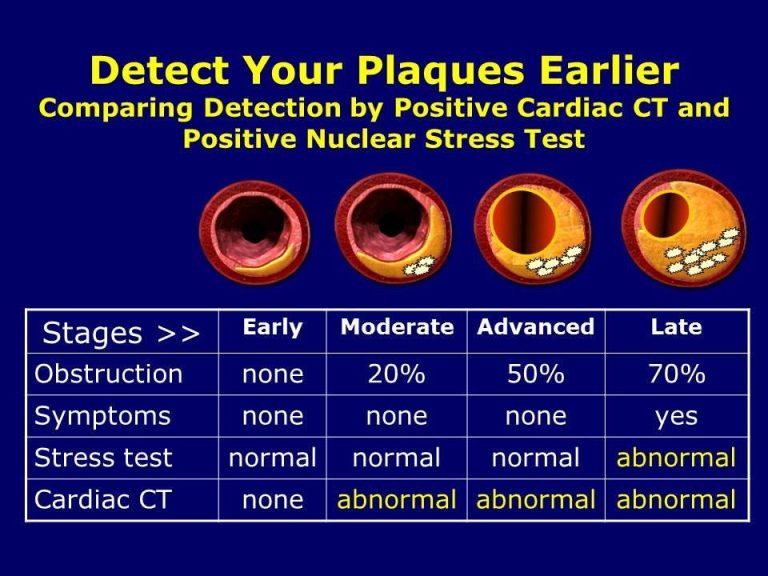
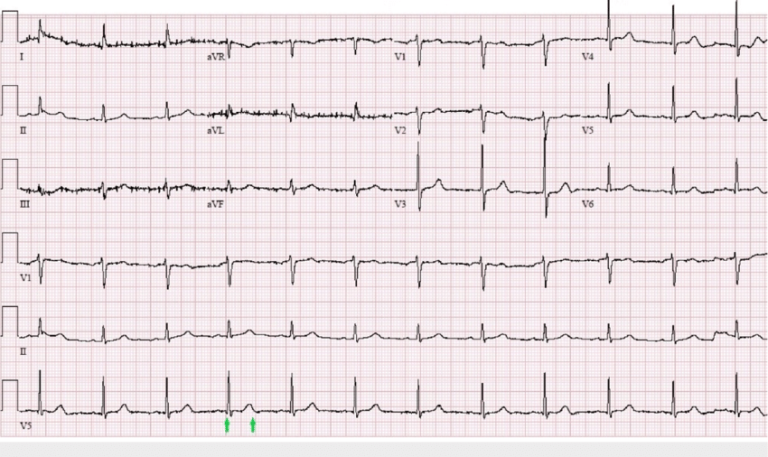
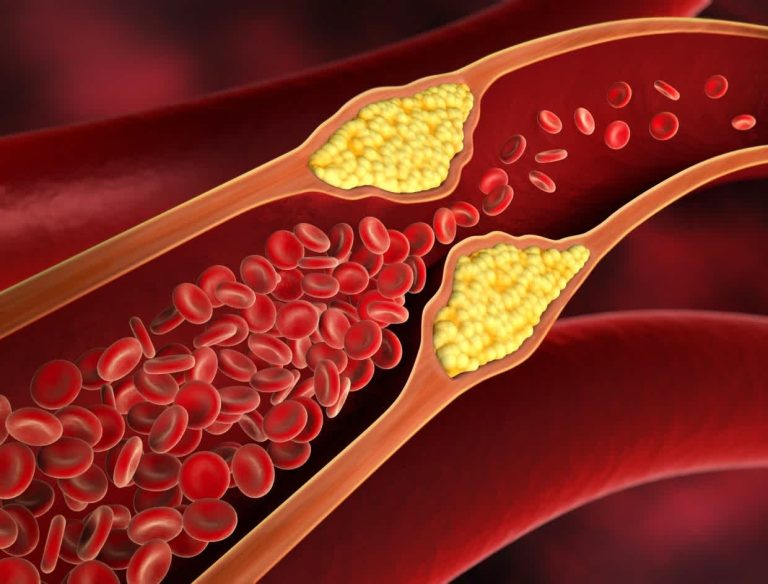
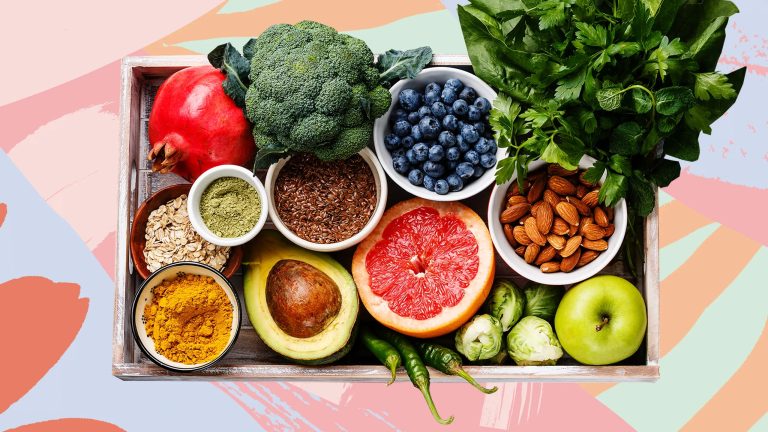
The American diet is slowly killing us. It leads to diabetes, hypertension, high cholesterol and obesity. These diseases then turn into dementia, heart attacks, strokes, cancer and premature death.
Why do we keep eating this way? The data is clear and overwhelming: replacing an animal-based diet with a plant-based diet lowers your risk of diabetes, high blood pressure, high cholesterol, cardiovascular disease, strokes, many types of cancer, premature deaths and overall mortality. It also improves your cognition and memory while lowering your risk of Parkinson’s Disease, dementia and Alzheimer’s Disease.
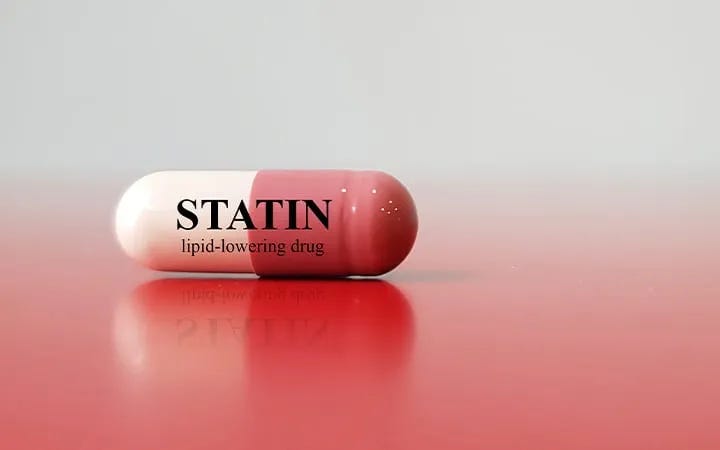
I am 100% committed to myself and to my patients to promote this style of eating along with exercise and cardiovascular medications (statins-as needed) to promote healthy longevity. I am only sorry for not committing sooner but it’s never too late.
Basic Terms to Know
Healthspan: The period of life spent in good health, free from the chronic diseases and disabilities of aging.
Healthy Longevity: The years in good health approach the biological life span, with physical, cognitive and social functioning that enable well-being.
Healthy Aging: The maintenance of physical, mental and cognitive health as you grow older, while preventing or delaying the onset of frailty.
Four Keys to Healthy Eating and Longevity*
One: Maintaining a healthy weight throughout life is central for healthy aging and longevity.
Two: The specific types or food sources (dietary fat, protein and carbohydrates) are more important than their quantity.
Three: Plant-based diets focusing on polyphenols promote longer living and healthy longevity (Mediterranean, Okinawan, DASH)
Four: Combining a healthy diet with other lifestyle factors can extend healthy, disease-free life expectancies by 8-10 years.
Let’s take a look at each:
One: Maintaining a healthy weight throughout life is central for healthy aging and longevity:
A weight gain of just 11 lbs from ages 18-55 increases your risk of DM by 30%, HTN by 14%, CVD by 8%, obesity related cancers by 6%, premature death by 5% and causes a 17% lower likelihood of achieving healthy aging.
A BMI of 18.5- 22.4 has the lowest mortality compared to all groups.
Maintaining lifelong leanness makes people live longer and have healthier lives.
Two: The specific types or food sources (dietary fat, protein and carbohydrates) are more important than their quantity.
Fats
Types of fats are far more important than total amount of fat in determining the long term risk of mortality.
Higher intakes of unsaturated fats (plant based foods and marine fish) are associated with lower mortality risks with linoleic acid being a stand out star.
Higher intakes of trans fat and saturated fat were associated with increased mortality- trans fat being the worst.
Replacing 5% of saturated fat with the same amount of MUFA and PUFA results in a 27% and 15% and reduced risk of mortality (or whole grains by 9%)
Proteins
- Among people 50-65 yrs old, high animal protein intake was associated with 75% increase in overall mortality and 4 fold increase in cancer and diabetes mortality during 18 yrs of follow up.
- Replacing 1 serving of red meat a day with fish, poultry, legumes, nuts, low-fat dairy or whole grains was associated with a 7-19% lower risk of premature death.
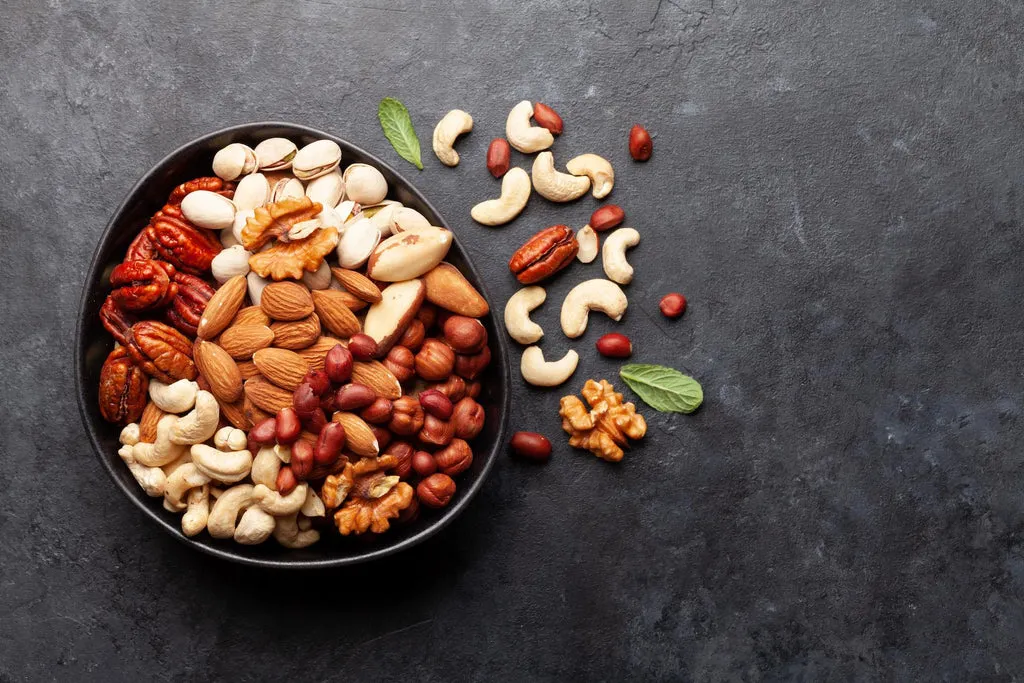
- Nuts (rich in plant protein) and healthy fats- significantly lower risk to T2DM, CVD, some cancers and mortality.
- Eating nuts once a day led to a 20% lower death rate (Peanuts, which are legumes- have similar benefits to tree nuts).
- Regular consumption of nuts led to significantly lower risk of frailty and increased likelihood of healthy aging.
Carbohydrates
- A higher animal, low-carb diet is associated with higher mortality.
- A higher vegetable, low-carb diet is associated with lower mortality.
- Carbohydrate quality is important- defined by its nutritional value and health effects, including the degree of processing, fiber content, glycemic index.
- Carb quality plays a roles in chronic dz outcomes- not carb amount.
- Low quality carbs: refined grains, such as white rice and white bread, starchy foods such as potatoes are consistently associated with weight gain, DM, obesity, CVD, some cancers and mortality
- Good quality carbs: minimally processed grains, legumes, whole fruits and non-starchy vegetable are protective.
- Sugar sweetened beverages (SSB) are associated with increased risk for chronic diseases and mortality.
Three: Plant-based diets focusing on polyphenols promote longer living and healthy longevity (Mediterranean, Okinawan, DASH)
- Polyphenols are a diverse group of naturally occurring compounds found in plant-based foods, such as fruits, vegetables, whole grains, nuts and legumes- including soy products, coffee, tea, cocoa, red wine, herbs and spices.
- There are thousands of different polyphenols which can be subclassified into flavonoids (fruits, vegetables, tea, coffee, cocoa and soy), lignans (seeds,grains, vegetables), phenolic acids (coffee, nuts and fruits), and resveratrol (grapes and wine)
- They have anti-aging properties from reducing inflammation, oxidative stress, epigenetic alterations and protein homeostasis. They also contain important nutrients, minerals, vitamins and carotenoids.
- Polyphenols have antioxidant, anti-inflammatory and anticarcinogenic properties and they improve lipids, reduce blood pressure, improve cognitive function and lower risk of neurodegenerative diseases.
Coffee

- Among all polyphenol-rich foods, coffee stands out as special.
- Chlorogenic acids are the most abundant polyphenols in coffee possessing anti-inflammatory and antioxidant properties. Health benefits of coffee come from various bioactive compounds including the polyphenols and even caffeine.
- Consistent evidence has shown moderate coffee consumption (3-5 standard cups a day) is associated with reduced risk of developing T2DM, CVD and liver, endometrial and colon CA, a lower risk of premature death.
- Regular coffee drinking reduced risk for cognitivie disorders,Parkinson’s disease, depression and suicide.
Tea:
- Tea has similar benefits to coffee but the data is less consistent and robust.
- Green tea has high contents of catechins and other polyphenols, particularly epigallocatechin gallate- shown to improve lipid profiles, reduce BP and enhance vascular function, improved cognitive function and lower risk of neurodegenerative disease.
Extra Virgin Olive Oil (EVOO)
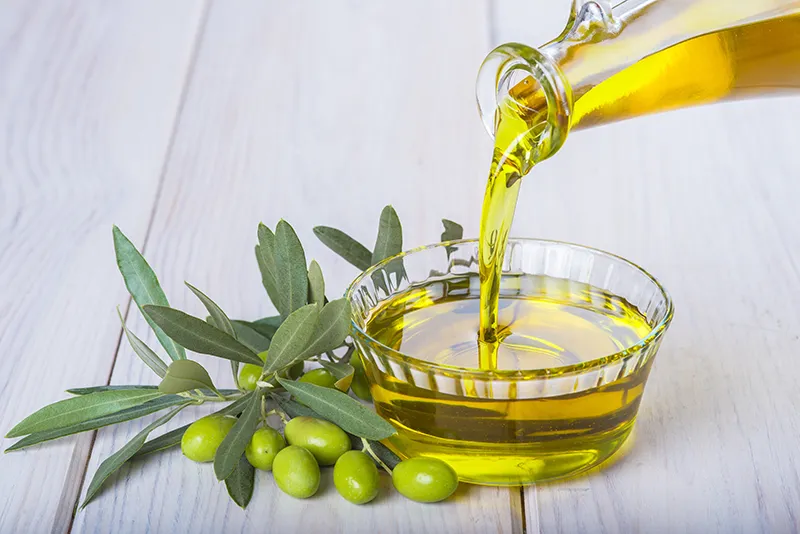
- EVOO is the hallmark of the Mediterranean style diet and obtained from the mechanical pressing of olives without the use of heat or chemicals.
- Compared to regular olive oil, EVOO contains higher amounts of polyphenols such as oleuropein and hydroxytyrosol which contributes to its color and flavor and health benefits.
- EVOO is consistently linked to lower risk of chronic diseases and mortality: including reduced risk of diabetes, strokes, heart attacks, breast CA and death.
- Just 4 or more tablespoons per week has significantly lower your risk.
Olive Oil vs Extra Virgin Olive Oil
Olive Oil is typically a blend of cold-pressed olive oil that has been refined to remove any natural impurities in the oil. In order to do this, the oil has been treated either chemically or with heat. The resulting oil is lighter in color, almost neutral in flavor, and able to withstand a higher temperature than extra-virgin olive oil.
Extra-Virgin Olive Oil has not been exposed to a chemical or heat treatment, meaning the oil has been cold-pressed from the fruit. This leaves a higher-quality oil that is more flavorful and darker in color. There is a wide range in taste from one extra-virgin olive oil to another, from herbal and fruity to bitter and peppery, depending on the olives harvested. Because this oil highlights the flavor of the olives, the farmers and oil makers take extra care in picking the best olives for the extra-virgin oil. Also, since this oil has not been “refined,” it has a lower smoke point (it burns at a lower temperature), requiring extra caution when cooking so you don’t burn the oil and give your food an unpleasant taste.
Blueberries
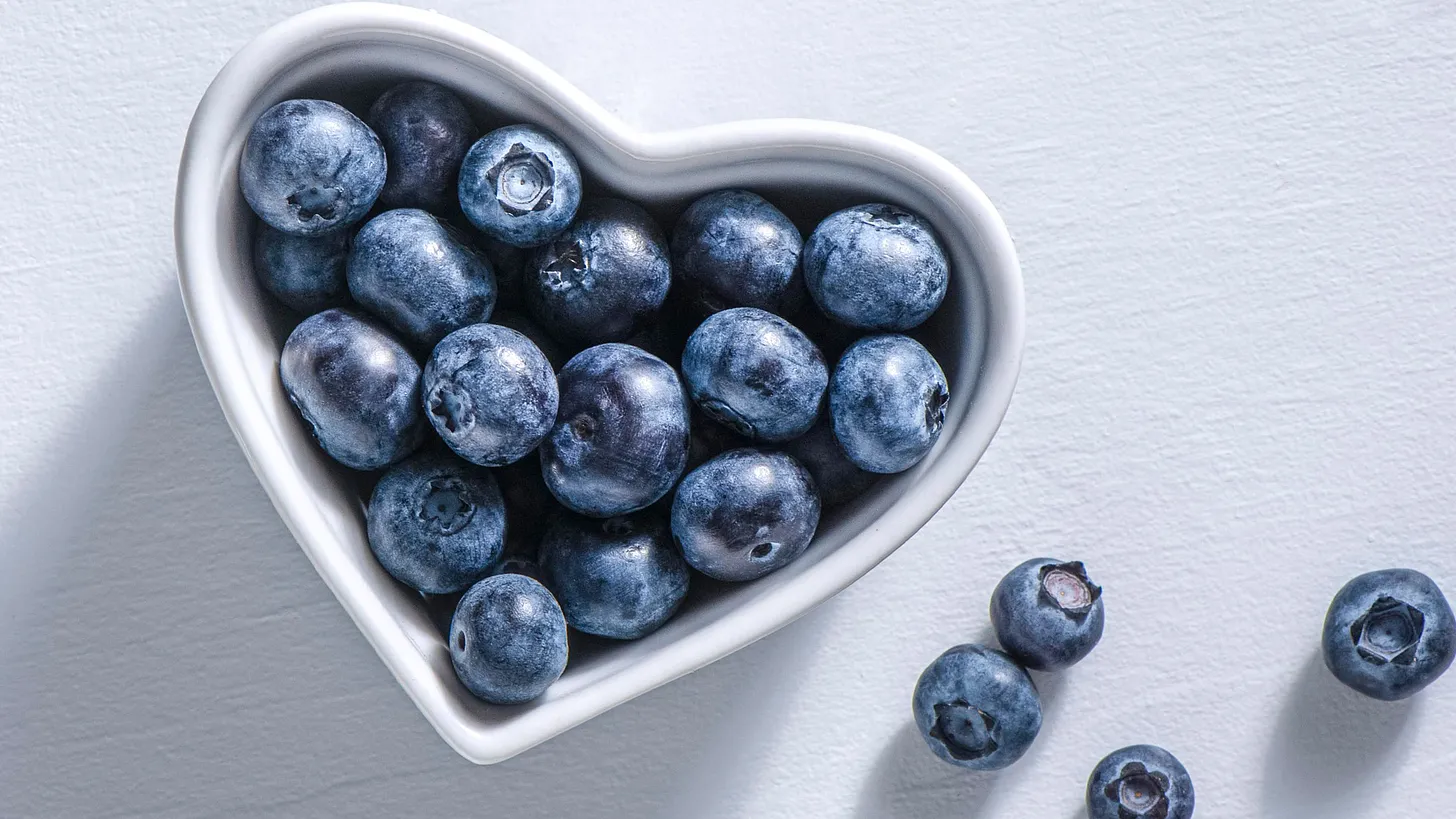
- 1 cup of blueberries a day for 6 months led to significant improvements in endothelial function, systemic arterial stiffness and HDL cholesterol.
- Rich in polyphenols, especially anthocyanins, eating blueberries leads to lower risk of DM and all cause mortality.
- Improvement in cognitive and motor behaviors as well as learning and memory, lower odds of cognitive decline.
Avocados
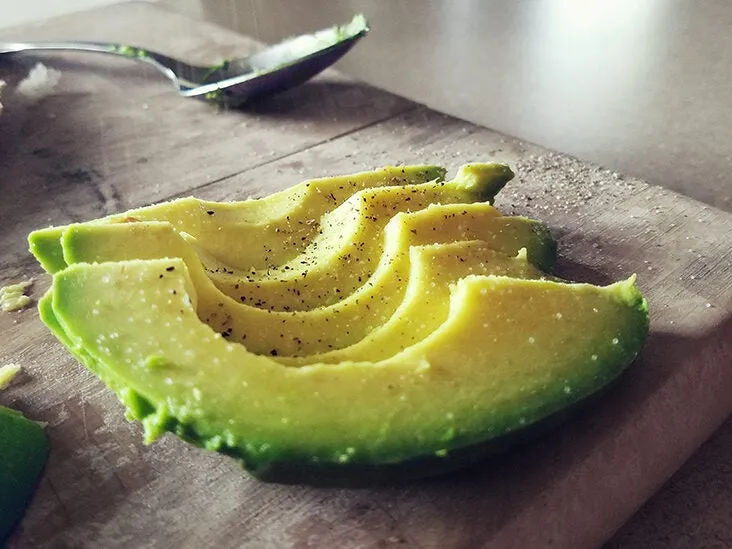
- A nutrient rich fruit that contain a variety of beneficial components such as fiber, monounsaturated fat, potassium, Mg, and bioactive compounds including polyphenols, especially flavonoids.
- Servings: >2 a week-> lower risk of CVD, lower risk of CHD. Replacing a half serving a day of margarine, butter, egg, yogurt, cheese or processed meat with equivalent avocado was associated with a ~ 20% lower risk of CVD.
Herbs and Spices
- Turmeric/curcimin improved all cholesterol numbers and improves cognitive function, learning and memory.
- Curcumin, a polyphenol and the active component of turmeric- has antioxidant, anti-inflammatory, antidiabetic and anticancer effects.
Four: Combining a healthy diet with other lifestyle factors can extend healthy, disease-free life expectancies by 8-10 years.
- Our food system and dietary habits are extremely detrimental to human health.
- Plant-based diets are beneficial to human health by reducing the risk of DM, CVD and premature death.
- Processed meats contain saturated fatty acids, such as stearic and palmitic acid which increase risk of DM and CVD. They also contain compounds promoting oxidative stress and chronic low grady inflammation such as heme iron, sodium and nitrates and nitrites that promote CVD, DM and mortality.
Strong and consistent scientific trials show you can lower your risk of dying by replacing:
- Red meat with nuts or whole grains
- Processed meat with nuts or legumes
- Unprocessed red meat with nuts
- Dairy with nuts/legumes or nuts alone
- One egg a day with nuts or legumes
- Butter with extra virgin olive oil
Conclusions
- It is time to make BIG CHANGES in the way we think about food and our diet.
- We know our current dietary habits are slowly killing us.
- We know there is a much better way- the science is overwhelming!
- Replacing animal-based with plant-based foods, eggs with nuts and butter with EVOO improves cardiometabolic health and promotes healthy aging.
- The substitution of red and processed meat with nuts, legumes and whole grains lower risk of cardiovascular disease, diabetes and all-cause mortality= DEATH.
- Include these foods in your diet every single day: coffee, tea, EVOO, blueberries and avocados as they are well supported by clinical trials in a diverse group of people across the globe in preventing chronic disease and promoting healthy aging and longevity.
*This article is my summary and take away from two excellent scientific articles. Most of the data and the 4 Keys came from Frank Hu’s article in the Journal of Internal Medicine.
Diet Strategies for Promoting Healthy Aging and Longevity: An Epidemiological Perspective Frank Hu, Department of Nutrition and Epidemiology, Harvard T.H. Chan School of Public Health and Channing Division of Network Medicine, Brigham and Women’s Hospital, Harvard Medical School: JIM 2023
Substitution of animal-based with plant-based foods on cardiometabolic health and all cause mortality: a systematic review and meta-analysis of prospective studies: Lukkas Schwinghackl et al BMC 2023