Introduction
We thought this would be a quick, nice overview on the two numbers that make up your blood pressure.
We get a ton of questions about this. What do they mean? Which is more important? Why does it matter?
Blood pressure, (we always have to refer to it as the “silent killer”), is a vital physiological parameter that measures the force of blood against the walls of your arteries.
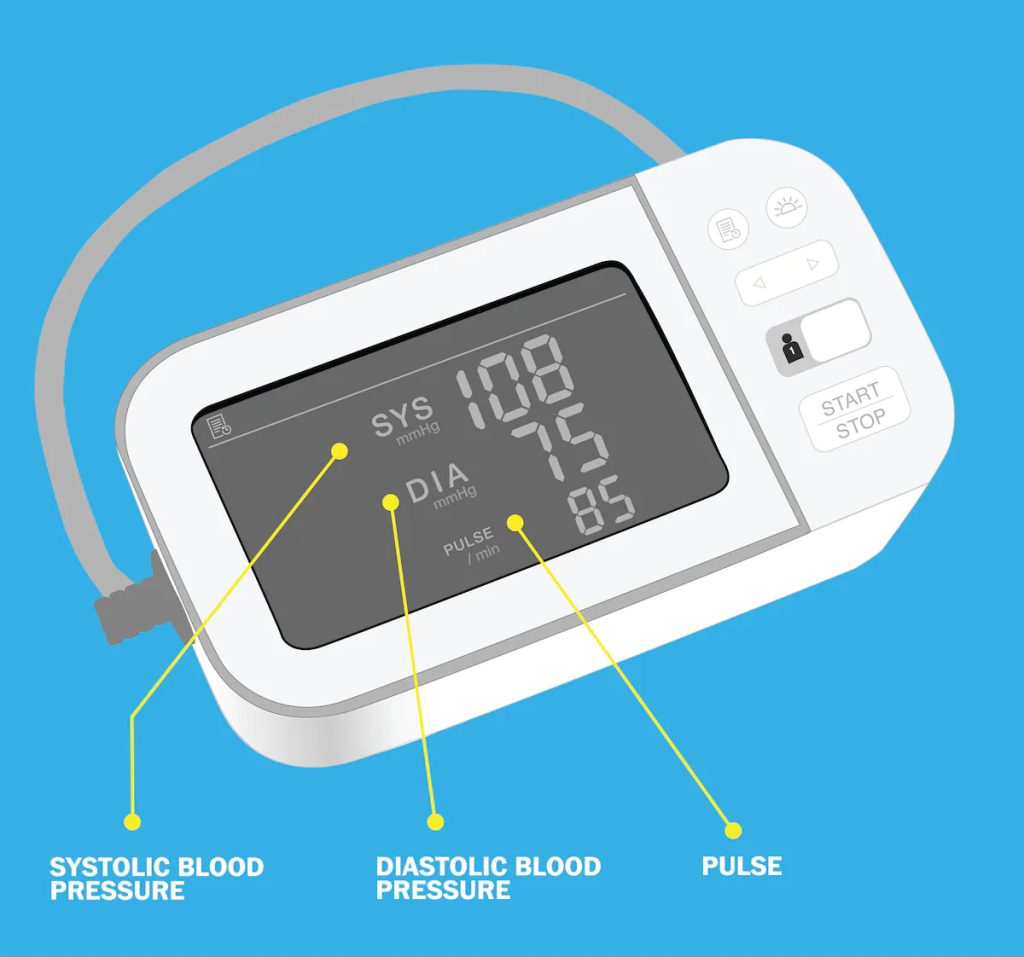
It is one of the key indicators of your cardiovascular health and is typically expressed as two numbers: systolic and diastolic blood pressure.
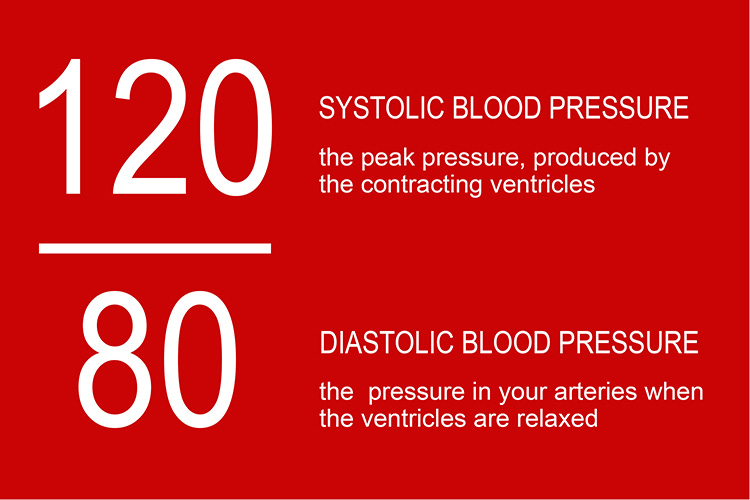
Systolic pressure is the top number (the 120 in a 120/80mmHg BP reading) representing the force exerted on arterial walls during the heart’s contraction.
The diastolic pressure is the lower number (the 80 in a 120/80mmHg BP reading) measures the force when the heart is at rest between beats. This is when your arteries are relaxing between beats.
Here, Dr, Lacey and I just dip into the significance of systolic and diastolic blood pressure, their interplay, and their critical role in maintaining overall health.
Systolic Blood Pressure: The Power of the Pump
Systolic blood pressure reflects the force exerted by the heart as it contracts to pump blood into the arteries. This phase of your heart pumping, known as systole, is a crucial component of the cardiac cycle. During systole, the heart muscle contracts, pushing blood into the arteries and initiating the circulation process.
Healthy systolic blood pressure ranges between 90 and 120 mm Hg (millimeters of mercury). Elevated systolic pressure can result from various factors, including stress, high salt intake, smoking, and genetics. When consistently high, it may contribute to the development of cardiovascular diseases such as hypertension, atherosclerosis, and an increased risk of stroke.
Diastolic Blood Pressure: The Resting Phase
Diastolic blood pressure, on the other hand, is the lower number in a blood pressure reading, representing the pressure in the arteries when the heart is at rest between beats. This phase, known as diastole, is essential for the coronary arteries to receive adequate blood supply, ensuring that the heart muscle itself receives the oxygen and nutrients it needs to function properly.
A normal diastolic blood pressure falls within the range of 60 to 80 mm Hg. Consistently elevated diastolic pressure can be indicative of underlying health issues, such as arterial stiffness or kidney problems. Like high systolic pressure, persistent high diastolic pressure is a significant risk factor for cardiovascular diseases.
Which Reading is Most Important?
While systolic and diastolic blood pressure are measured as distinct values, they are interconnected and function together to maintain a healthy cardiovascular system.
Let’s just get right to it:
BOTH NUMBERS ARE IMPORTANT!
Over the years, research has consistently found that both numbers are equally important in monitoring heart health.
There may be a slight difference in people younger than 50 years old vs people older than 50. Almost all the studies show a greater risk of stroke and heart disease related to higher systolic pressures compared with elevated diastolic pressures. That’s especially true in people ages 50 and older.
But for people under 50, diastolic blood pressure readings, we look at it as another piece of the puzzle that may move us to be more aggressive in treating both blood pressure and overall cardiovacular risk factors.
The summary statement would be that systolic readings were still “a strong predictor of cardiovascular risk independent of age, sex and other cardiovascular risk factors.”

Conclusion
The conclusion here is simple: both blood pressure numbers are important.
Your blood pressure is reported as the systolic pressure over the diastolic blood pressure. These two components, while distinct, work in tandem to ensure the proper functioning of the heart and the circulation of blood throughout the body.
High BP numbers increase your risk of heart attacks, strokes and other vital organ damage.
We urge you- just know your blood pressure, track it regularly and work closely with your docs to keep it well controlled.