Introduction:
Sadly, cardiovascular diseases (CVDs) is still a leading cause of death of both men and women in the U.S.
Dr. DeVane and Dr. Lacey are in a relentless pursuit of effective preventive strategies and statin medications have emerged as formidable weapons in the battle against our dreaded enemy- atherosclerosis. I sit next to Dr. Lacey in the office and it wasn’t just two weeks ago that she uttered, “Geez, I still love my statins”.
But, why do cardiologist’s love statin medications?
Today we delve into the multifaceted cardiovascular benefits of statins, shedding light on their mechanisms of action, efficacy, and the evolving landscape of statin therapy.
Understanding Statins
Statins are not new- they hit the US market way back in 1987. They have been doing amazing, life-saving work for almost fouty years!
Statins, or HMG-CoA reductase inhibitors, represent a class of drugs primarily designed to lower cholesterol levels in the blood. By inhibiting the enzyme responsible for cholesterol synthesis in the liver, statins reduce the production of low-density lipoprotein (LDL) cholesterol, commonly known as “bad” cholesterol (ugh, we hate that term!).
Statins are really cool though, what makes them special is many of their NON-CHOLESTEROL LOWERING actions. Yes they lower bad cholesterol, but they also exhibit anti-inflammatory and anti-oxidative properties, contributing to their broader and intesive cardiovascular impact.
“In November 1986, Merck sent the New Drug Application (NDA) to the U.S. FDA and lovastatin was given FDA approval to become the first commercial statin in September 1987. Two years earlier, in 1985, Brown and Goldstein were awarded the Nobel Prize in Physiology or Medicine for their discoveries concerning the regulation of cholesterol metabolism.”
Proc Jpn Acad Ser B Phys Biol Sci. 2010 May 11; 86(5): 484–493.
Statins Help You In Many Ways
Cholesterol Management:
Elevated levels of LDL cholesterol are a well-established risk factor for atherosclerosis, the process underlying coronary artery disease (CAD) and other CVDs.
Statins play a pivotal role in managing cholesterol levels, effectively lowering LDL cholesterol and triglycerides while modestly increasing high-density lipoprotein (HDL) cholesterol, the “good” cholesterol. (Of note, we never use statins to raise HDL and we are not even sure what the effects are when it does go up).
This lipid-modifying effect is central to the cardiovascular benefits of statin therapy.
Atherosclerosis and Plaque Stabilization:
Dr. Lacey says, “a stable plaque makes for a happy artery”.
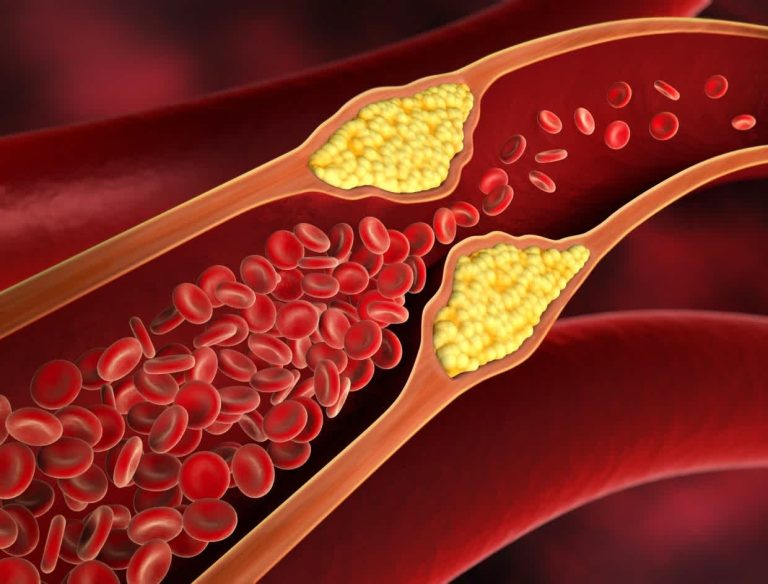
involves the accumulation of cholesterol-rich plaques in arterial walls, leading to vessel narrowing and impaired blood flow.
Statins not only reduce the progression of atherosclerosis but also promote plaque stabilization and even REGRESSION. By modulating the inflammatory response and enhancing the production of nitric oxide, statins contribute to the maintenance of plaque integrity, reducing the risk of rupture and subsequent thrombosis.
Statin drugs reduced the risk of heart attacks, strokes and DEATH from coronary artery disease in a big part due to this idea of plaque stablization.
Anti-Inflammatory Properties:
Statins work in amazing ways!
Statins exhibit anti-inflammatory properties that extend the scope of their cardiovascular benefits. Inflammation plays a pivotal role in the initiation and progression of atherosclerosis. Statins inhibit the activation of inflammatory pathways, including the nuclear factor-kappa B (NF-κB) pathway, thereby mitigating the inflammatory milieu within arterial walls. This anti-inflammatory action contributes to the overall cardiovascular protective effects of statins.
Once again, Dr. Lacey has it right, “a stable plaque makes for a happy artery”.
Endothelial Function Improvement:
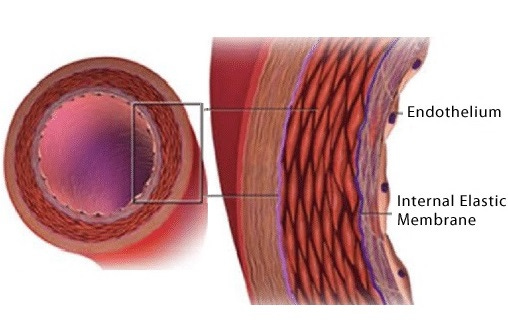
The endothelium, a VERY thin layer of cells lining blood vessels, plays a crucial role in maintaining vascular tone and regulating blood flow. Endothelial dysfunction, characterized by impaired vasodilation and increased vascular tone, is a hallmark of CVDs. Statins enhance endothelial function by promoting the release of nitric oxide, a vasodilator, and suppressing endothelial dysfunction-associated factors. This improvement in endothelial function contributes to the vasculoprotective effects of statin medications.
“ The endothelium is by no means a passive inner lining of blood vessels. This ‘organ’ with a large surface (approximately 350 m2) and a comparatively small total mass (approximately 110 g) is actively involved in vital functions of the cardiovascular system, including regulation of perfusion, fluid and solute exchange, haemostasis and coagulation, inflammatory responses, vasculogenesis and angiogenesis.”
Normal Endotheleium Handb Exp Pharmacol 2006:(176 Pt 1):1-40. A R Pries, W M Kuebler
Reduction in Cardiovascular Events:
You want prove? You got it. Trial after trial after trial after trial…. and observational studies have consistently demonstrated the efficacy of statins in reducing cardiovascular events.
These events encompass a spectrum of conditions, including myocardial infarction, stroke, and cardiovascular mortality. The landmark “Heart Protection Study” and “Cholesterol Treatment Trialists’ Collaboration” have provided robust evidence supporting the use of statins across various patient populations, highlighting their role in preventing adverse cardiovascular outcomes.
Statins work incredible well and as cardiologists, we are so lucky to have them as a central tool in our treatment of CV disease.
Primary and Secondary Prevention:
Statins are employed in both primary and secondary prevention settings. What in the heck are Primary and Secondary Prevention? Great question:
Primary Prevention: These are people with cardiovascular risks but who have never had a heart attack, heart stent, bypass surgery or stroke. Statins act prevention agents, reducing the likelihood of any future or FIRST incidents.
Secondary Prevention: Many of you have aleady had a cardiac event. Well, statins work great for you too. There is overwhelming scientifc data to prove that statins serve as secondary prevention by mitigating the risk of recurrent events.
The incredible versatility of statin therapy underscores their significance in comprehensive cardiovascular care for all patients at risk for heart disease or who have already had some heart event.
Statin Names:
There are seven statin medications on the market today.
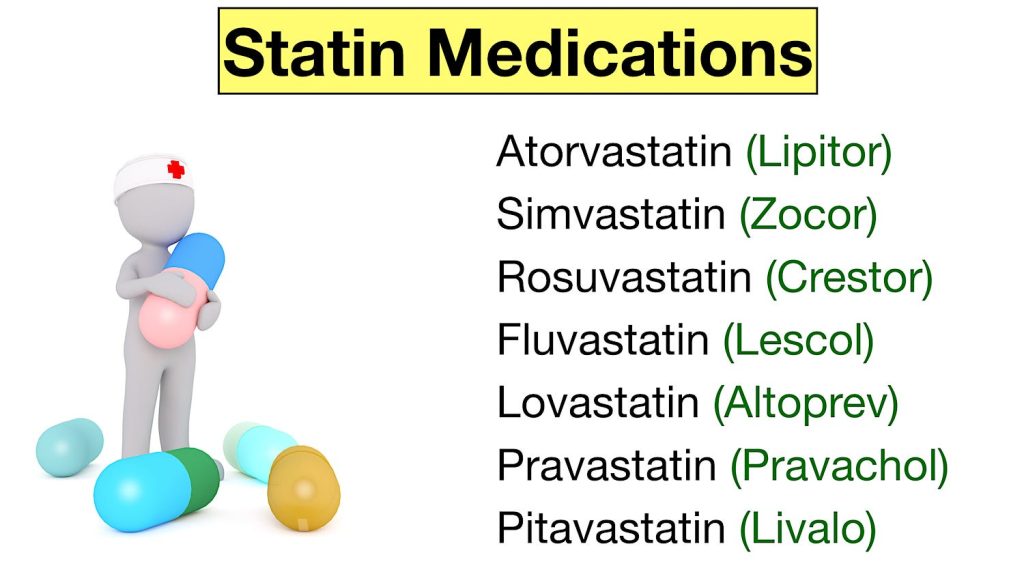
Per the American Heart Association guidelines:
“statin therapy has become the pharmaceutical cornerstone of ASCVD prevention and treatment, with an emphasis on high-intensity statin use for patients with clinical ASCVD or high ASCVD risk”.
“Between January 1, 2002, and December 31, 2018, an average of 21.35 million statins were purchased annually, with an average total annual cost of $24.5 billion.”
Broader Statin Benefits
The benefits of statin medications extend beyond atherosclerosis and coronary artery disease. Statins have demonstrated efficacy in managing other cardiovascular conditions such as heart failure and peripheral arterial disease. Additionally, statin therapy has been associated with a decreased risk of atrial fibrillation, a common arrhythmia linked to an increased risk of stroke and heart failure.
- Diabetes Management
Patients with diabetes often face an elevated risk of cardiovascular complications. Statins have shown to be particularly beneficial in this population by not only reducing cholesterol levels but also improving insulin sensitivity. This dual action contributes to better glycemic control and a decreased risk of cardiovascular events in individuals with diabetes.
- Neuroprotective Effects
Emerging research suggests that statins may have neuroprotective effects, potentially reducing the risk of neurodegenerative diseases such as Alzheimer’s. The mechanisms underlying this effect are still under investigation, but it is thought to involve the modulation of inflammatory processes and improved cerebral blood flow.
- Cancer Prevention and Treatment Support
While the evidence is not as robust as in cardiovascular diseases, some studies suggest that statins may have a role in cancer prevention and treatment support. Statins have been associated with a reduced risk of certain cancers, and ongoing research is exploring their potential as adjuvant therapy in cancer treatment.
Safety and Tolerability:
While the cardiovascular benefits of statins are well-established, concerns about safety and tolerability persist. The incidence of severe adverse events is VERY low, and the benefits of statin therapy typically outweigh the risks, particularly those of your that are at higher risk for cardiovascular events.
Conclusion
So, why do cardiologists love statins? We hope this update gives you some clues.
Statin medications stand as pillars in the prevention and management of cardiovascular diseases.
Their multifaceted benefits extend beyond cholesterol management, encompassing anti-inflammatory actions, plaque stabilization, and endothelial function improvement. The robust evidence from clinical trials supports their use in both primary and secondary prevention settings, underscoring their pivotal role in cardiovascular care.
The big question is, should you be on a statin???