Introduction
In the intricate tapestry of human health, the role of cholesterol cannot be understated. Among the various types of cholesterol, low-density lipoprotein (LDL) cholesterol has earned a notorious reputation as the “bad cholesterol.”
(Just an FYI: Dr. Lacey and I are strongly against using the terms “good” and “bad” cholesterol, but too many people think of it that way- see we feel stuck, for now.)
Understanding and treating LDL cholesterol is paramount for maintaining optimal health and preventing a myriad of cardiovascular diseases.
Here, Dr. Lacey and I just want to do a very simple introduction to LDL cholesterol. We have a passion for all things cholesterol, including LDL, HDL, non-HDL, apoB and lipoprotein(a). We just want to start to unpack the importance of treating LDL cholesterol, delving into its functions, the risks associated with elevated levels, and effective strategies for management. This section is meant to be a broad overview of LDL and we plan on doing many deep dives in future posts.
What is LDL cholesterol?
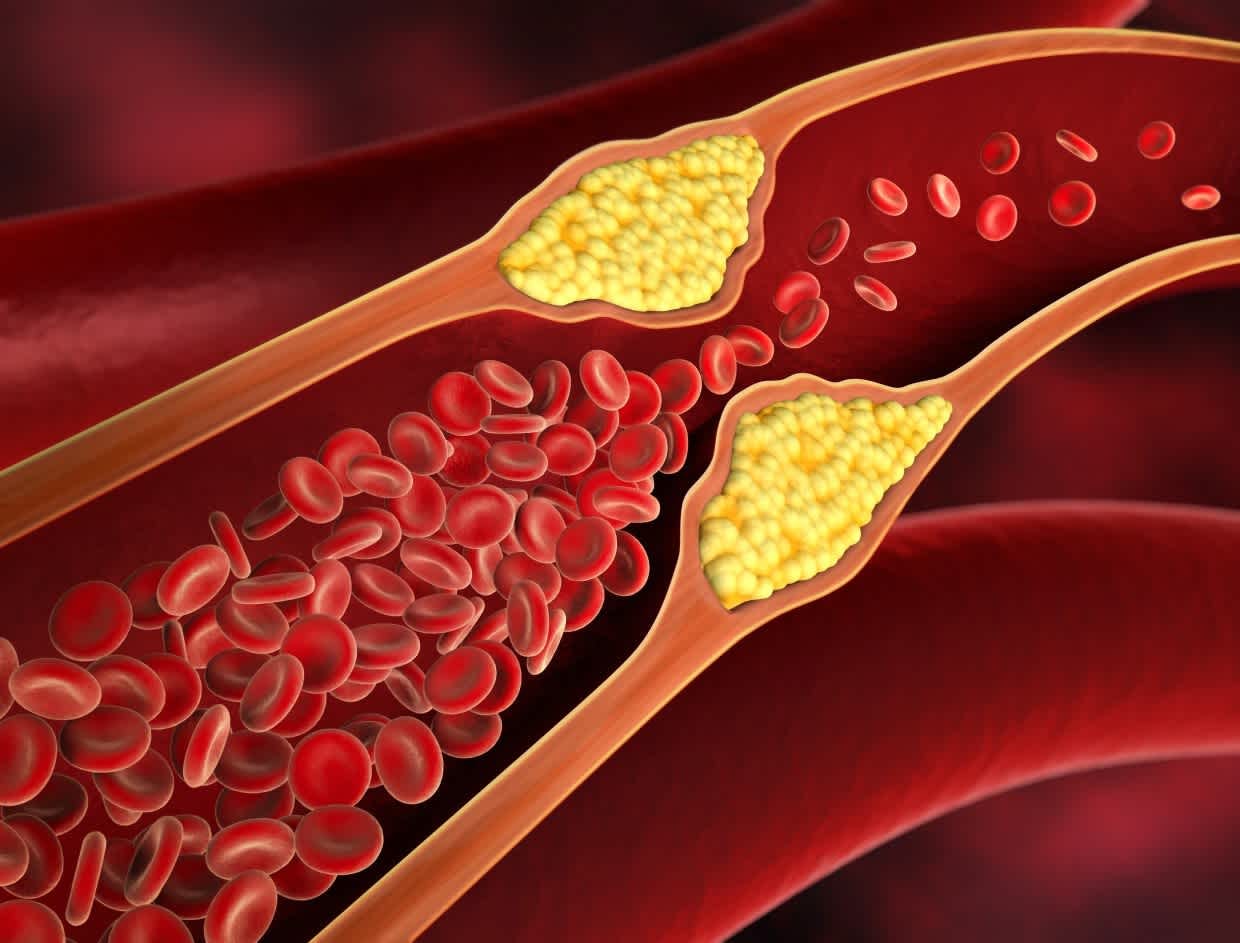
Cholesterol, a fatty substance essential for building cell membranes and producing hormones, is transported in the blood via lipoproteins. LDL cholesterol, colloquially known as “bad cholesterol,” is a lipoprotein that carries cholesterol from the liver to cells throughout the body. While cholesterol is vital for various bodily functions, an excess of LDL cholesterol can lead to the accumulation of “plaque” in your arteries, contributing to atherosclerosis and cardiovascular diseases.
The Risks of Elevated LDL Cholesterol
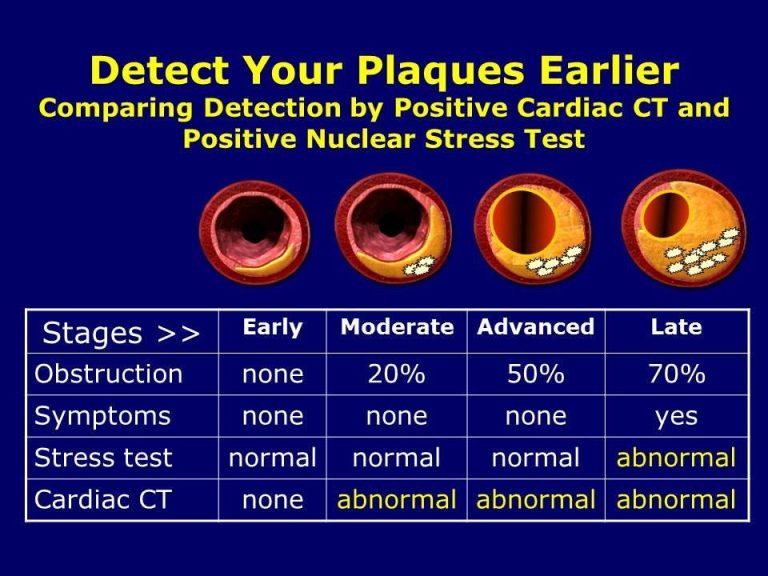
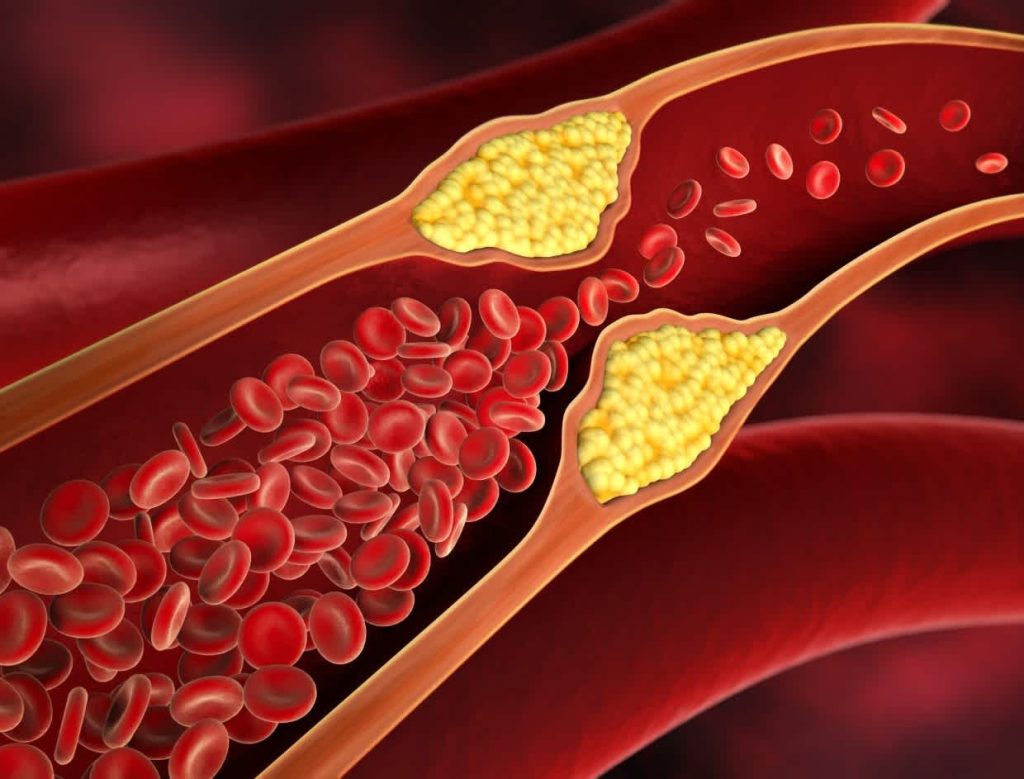
Elevated levels of LDL cholesterol pose significant health risks, making it a key target for preventive measures. Atherosclerosis, the gradual narrowing and hardening of arteries due to the accumulation of plaque, is a direct consequence of high LDL cholesterol (along with other risk factors).
Elevated levels of LDL cholesterol have been consistently linked to an increased risk of atherosclerosis, heart disease, and stroke
Atherosclerosis restricts blood flow and if the restriction progresses slowly in your heart arteries it leads to symptoms like shortness of breath and chest pain. If this restriction occurs suddenly→ that is a heart attack or stroke!
LDL cholesterol is a major contributor to coronary heart disease, a leading cause of mortality worldwide.
The Importance of Treatment
Our partner, Dr. Jason Liu referred to LDL cholesterol as his “sworn enemy” while he was our guest on our Living Heart Smart Podcast. We agree!
Treating LDL cholesterol is a critical aspect of cardiovascular health and overall well-being. By addressing high levels of LDL cholesterol, individuals can reduce their risk of developing cardiovascular diseases and enhance their quality of life. Unfortunately, our motto for cholesterol treatment in the country shoule be “way too little, way too late”.
The Link Between LDL Cholesterol and Cardiovascular Risk:
Extensive research has consistently demonstrated a strong association between elevated LDL cholesterol levels and cardiovascular events. A meta-analysis published in the Lancet found a linear relationship between LDL cholesterol levels and the risk of coronary artery disease, with higher levels correlating with an increased risk. Lowering LDL cholesterol levels has been a central focus in cardiovascular risk management, leading to the development of guidelines that recommend specific targets for cholesterol levels.
Effective treatment not only involves medications but also encompasses lifestyle modifications and preventive measures. The American College of Cardiology (ACC) and the American Heart Association (AHA) guidelines advocate for aggressive lipid-lowering therapy to achieve this target in high-risk patients
Reduction in Atherosclerotic Plaque Formation:
One of the key reasons behind the emphasis on achieving LDL cholesterol levels below 70 mg/dL is the significant reduction in atherosclerotic plaque formation. Studies, including the landmark 4S trial, have demonstrated that intensive lowering of LDL cholesterol leads to a regression of atherosclerotic plaques. This regression contributes to improved arterial flexibility and reduced obstruction, lowering the risk of heart attacks and strokes.
Prevention of Cardiovascular Events:
Maintaining LDL cholesterol levels below 70 mg/dL has been associated with a substantial reduction in the incidence of cardiovascular events. The PROVE IT-TIMI 22 trial, for instance, showed that patients achieving LDL cholesterol levels below 70 mg/dL had a significantly lower risk of major cardiovascular events compared to those with higher levels. This highlights the preventive potential of aggressive lipid-lowering strategies in high-risk populations.
Medications
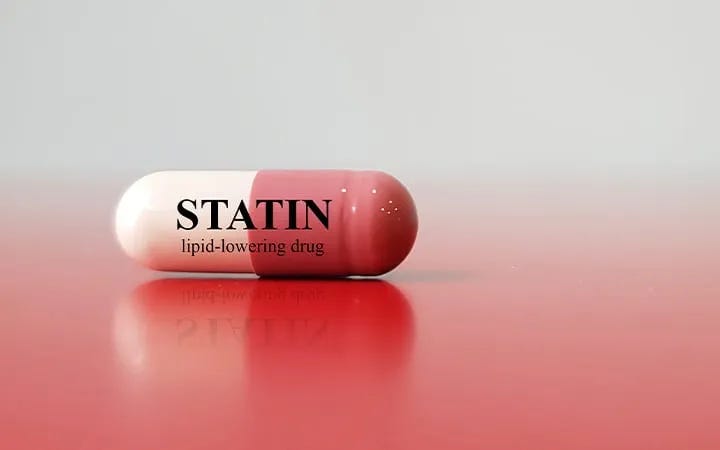
Pharmaceutical interventions play a crucial role in managing LDL cholesterol levels. We are going to talk alot about Statin medications as part of the Living Heart Smart strategy to great heart health.
Statins, ezetimibe, and PCSK9 inhibitors are among the medications commonly prescribed to achieve optimal LDL cholesterol levels. Personalized medicine approaches consider individual patient profiles, genetics, and tolerances to determine the most effective combination therapy for achieving and maintaining the target LDL cholesterol levels.
Statins, a class of drugs that inhibit the production of cholesterol in the liver, are commonly prescribed to lower LDL cholesterol. Other medications, such as PCSK9 inhibitors, may also be utilized based on individual needs and responses. We are lucky to be entering a new era of medication breakthroughs that will change our paths of treatment.
Regular medical check-ups and LAB WORK are essential to monitor the efficacy and potential side effects of these medications.
Lifestyle Modifications
Complementary to medications, lifestyle modifications form an integral part of LDL cholesterol management:
Health Eating
Adopting a heart-healthy diet rich in fruits, vegetables, whole grains, and lean proteins can contribute significantly to cholesterol reduction. Limiting the intake of saturated and trans fats, found in processed foods and certain cooking oils, is imperative.
Exercise
Regular physical activity, such as aerobic exercises and strength training, not only aids in weight management but also positively influences cholesterol levels.

Smoking Cessation
Dr. Lacey and I really do not like to spend alot of time about the importance of NOT SMOKING. The effects of smoking on your arteries is like throwing fuel on a burning fire- not good.
Our policy: No smoking. No smoking. No smoking.
Regular Lab Tests
Get your lab checked! Regular monitoring of cholesterol levels is fundamental to gauge the effectiveness of treatment and make necessary adjustments. Routine check-ups allow us to assess the progress of cholesterol management strategies, recommend modifications, and address any emerging issues promptly.
Conclusion
In conclusion, help us attack our sworn enemy, LDL cholesterol!
The scientific evidence supporting this target is robust, with studies consistently demonstrating the benefits of aggressive lipid-lowering therapy. As our understanding of cardiovascular health evolves, achieving and maintaining optimal LDL cholesterol levels remains a cornerstone of preventive cardiology
The importance of treating LDL cholesterol cannot be overstated in the realm of preventive healthcare and keeping your heart happy and healthy. Recognizing the role of LDL cholesterol in cardiovascular diseases and understanding the associated risks underscores the urgency of proactive management.
Dr. Lacey and I want to help you develop a comprehensive approach that includes medications, lifestyle modifications, smoking cessation, and regular monitoring forms the foundation for effective LDL cholesterol treatment. By prioritizing the management of LDL cholesterol, you empower yourself to lead healthier lives, reducing the burden of cardiovascular diseases and enhancing overall well-being.