Introduction
Hypertension, commonly known as high blood pressure, stands as a silent but potent killer, orchestrating a symphony of damage within your cardiovascular system.
As cardiologists, we see the effects of uncontrolled hypertension EVERY SINGLE DAY.
As a pervasive and often asymptomatic condition, hypertension quietly wreaks havoc on the heart, arteries, and many other organs, earning its status as a leading cause of cardiovascular morbidity and mortality worldwide.
Here, we dive into the intricate web of reasons why hypertension is a killer heart disease, exploring its profound impact on the cardiovascular system, its insidious nature, and the imperative need for awareness, prevention, and management.
The Cardiovascular Cascade
Hypertension’s lethality lies in its ability to set in motion a cascade of cardiovascular events, progressively undermining the heart’s efficiency and structural integrity.
Elevated blood pressure places excessive strain on the arteries, causing them to become stiff, narrow, and less “compliant”. This increased vascular resistance forces the heart to pump blood against heightened resistance, leading to hypertrophy of the left ventricle—a maladaptive response that can result in heart failure over time.
The heart has a muscle called the left ventricle that pumps blood to your body. Any muscle that you work too hard gets thicker- think about your biceps if you lift weights. A thick heart muscle can perfom OK for a while, but over time this thickening leads to weakness and heart “failure”.
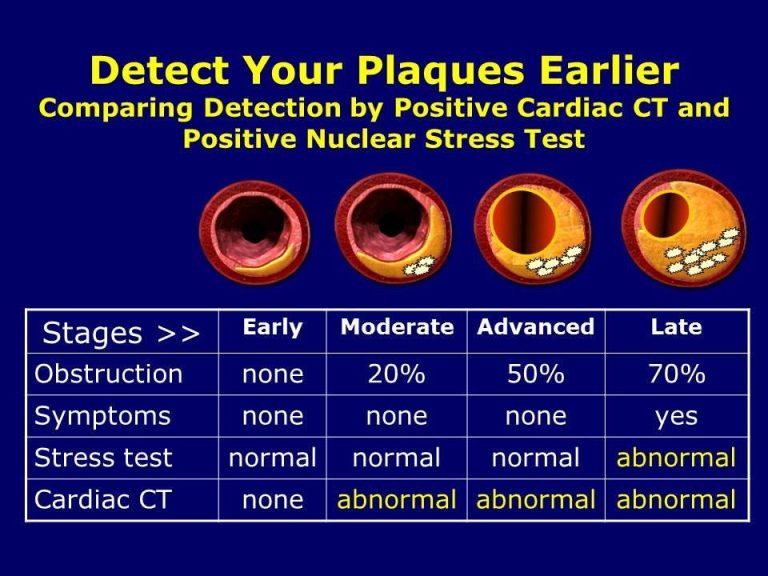
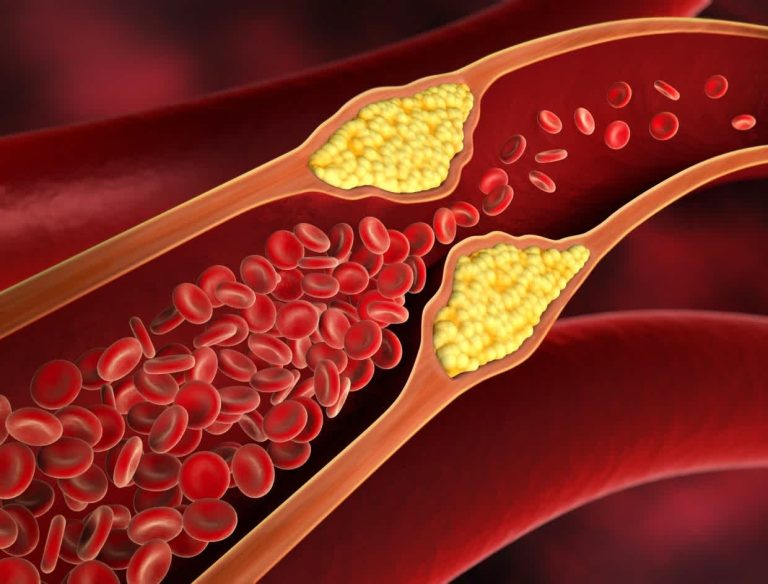
Furthermore, hypertension predisposes the arteries to atherosclerosis, the buildup of plaques composed of cholesterol, inflammatory cells, and other substances. These arterial plaques pose a dual threat: they narrow the vessels, impeding blood flow, and are prone to rupture, triggering the formation of blood clots that can precipitate life-threatening events such as myocardial infarction (heart attack) and stroke.
The intricate interplay of these pathological processes illustrates how hypertension fuels a vicious cycle of cardiovascular compromise, laying the groundwork for the development of lethal complications.
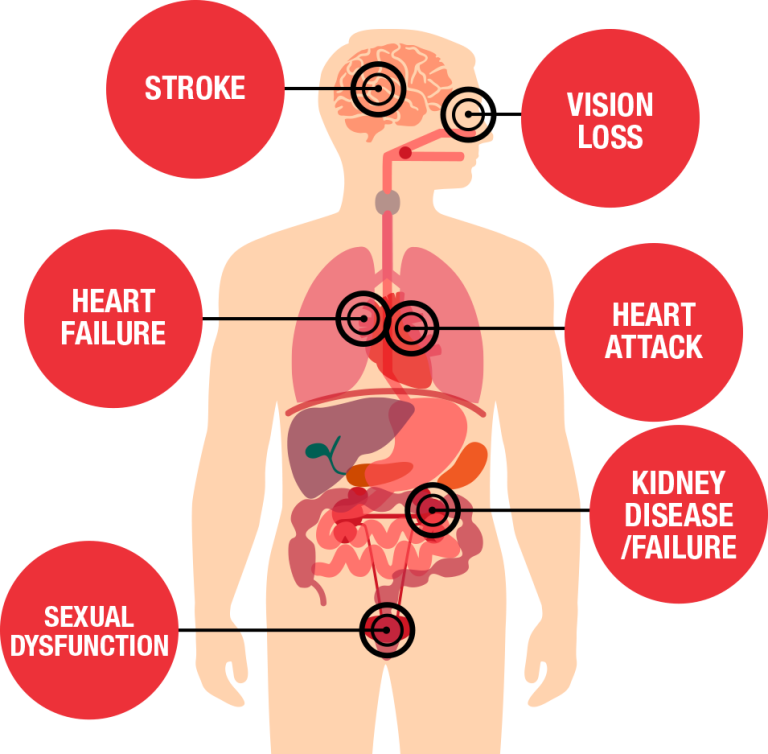
Life-Changing Damage From Hypertension
The Silent Menace
High blood pressure will never cause symptoms until LATE IN THE DISEASE PROCESS. If you wait until heart symptoms develop before you start treating high BP, you have waited 20 years too late.
Unlike overt symptoms that may prompt individuals to seek medical attention, hypertension often operates covertly, quietly damaging the cardiovascular system without apparent warning signs. This lack of overt symptoms deceives people like you into underestimating the urgency of managing their blood pressure, allowing hypertension to persist undetected and untreated until irreversible damage has occurred.
The lack of symptoms is a good news/bad new scenario. It’s great that you don’t have symptoms, but it’s also terrible that you don’t have symptoms.
The absence of symptoms also contributes to low awareness and poor adherence and general apathy to treatment regimens. This ignorance, coupled with the absence of routine blood pressure monitoring, creates a breeding ground for hypertension-related complications to flourish unchecked.
Blood Pressure Guidelines
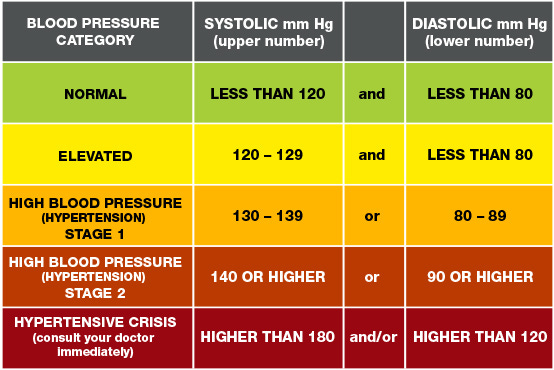
This is not the spot where we are going to get into the BP guidelines- we are saving that for another series of posts. But I still wanted you to at least see them for now. Where does your BP lie in this chart?
Hypertension: One of Many Cardiovascular Risks
Hypertension is often intertwined with other cardiovascular risk factors, such as obesity, diabetes, and dyslipidemia. The synergistic effect of these risk factors amplifies your cardiovascular risk, creating a multifaceted health challenge that necessitates a comprehensive and integrated approach to prevention and management.
So, you need to take responsiblity for your heart health and high blood pressure and work closely with your docs to get all these risks under control to prevent damage.
Conclusion
We need to do a much better job in finding, tracking, treating and controlling blood pressure!
Hypertension is potentially deadly and weaves a complex tapestry of damage within the cardiovascular system. Its insidious nature renders it a silent assassin that demands vigilant attention and concerted efforts in prevention and management.
Please make sure you know your blood pressure and your are being proactive while working with your physicians on a great plan to get it under control.
Dr. Lacey and I will be dedicating many articles to the treatment of hypertension- please stay tuned.