This new clinical trial is a GAME CHANGER!!
I really want my patients to understand what is going on here. I truly believe the practice of cardiology as we know it is now going to undergo a fundamental transformation that will help our patients prevent heart events from now going forward.
We can now treat being overweight or obesity just as we aggressive treat every other CV risk factor→ with safe medications.
The Big Picture
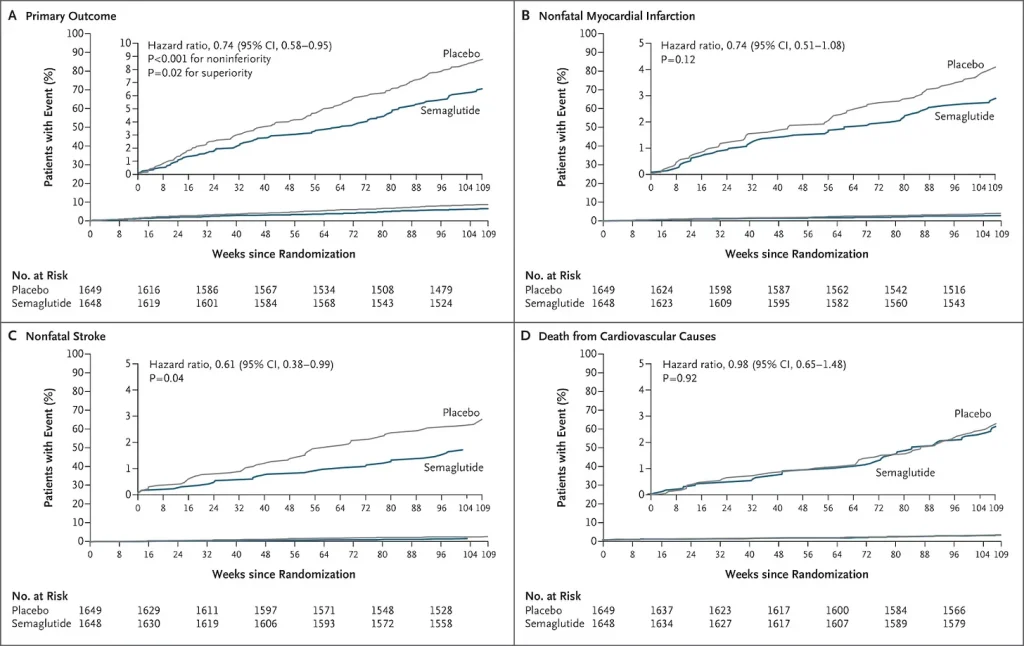
Overweight people without diabetes taking semaglutide had a 20% lower risk of heart attack, stroke or death due to cardiovascular disease and lost an average of almost 10% of their body weight.
What is Semaglutide?
Semaglutide is a medication in the class of meds called GLP-1 receptor agonists.
GLP stands for glucagon-like peptide. This peptide stimulates the functions of your body’s natural incretin hormones, which help to lower blood sugar levels after eating. Increasing these hormone levels make people feel full, thereby, lowering their daily calorie intake, leading to weight loss.
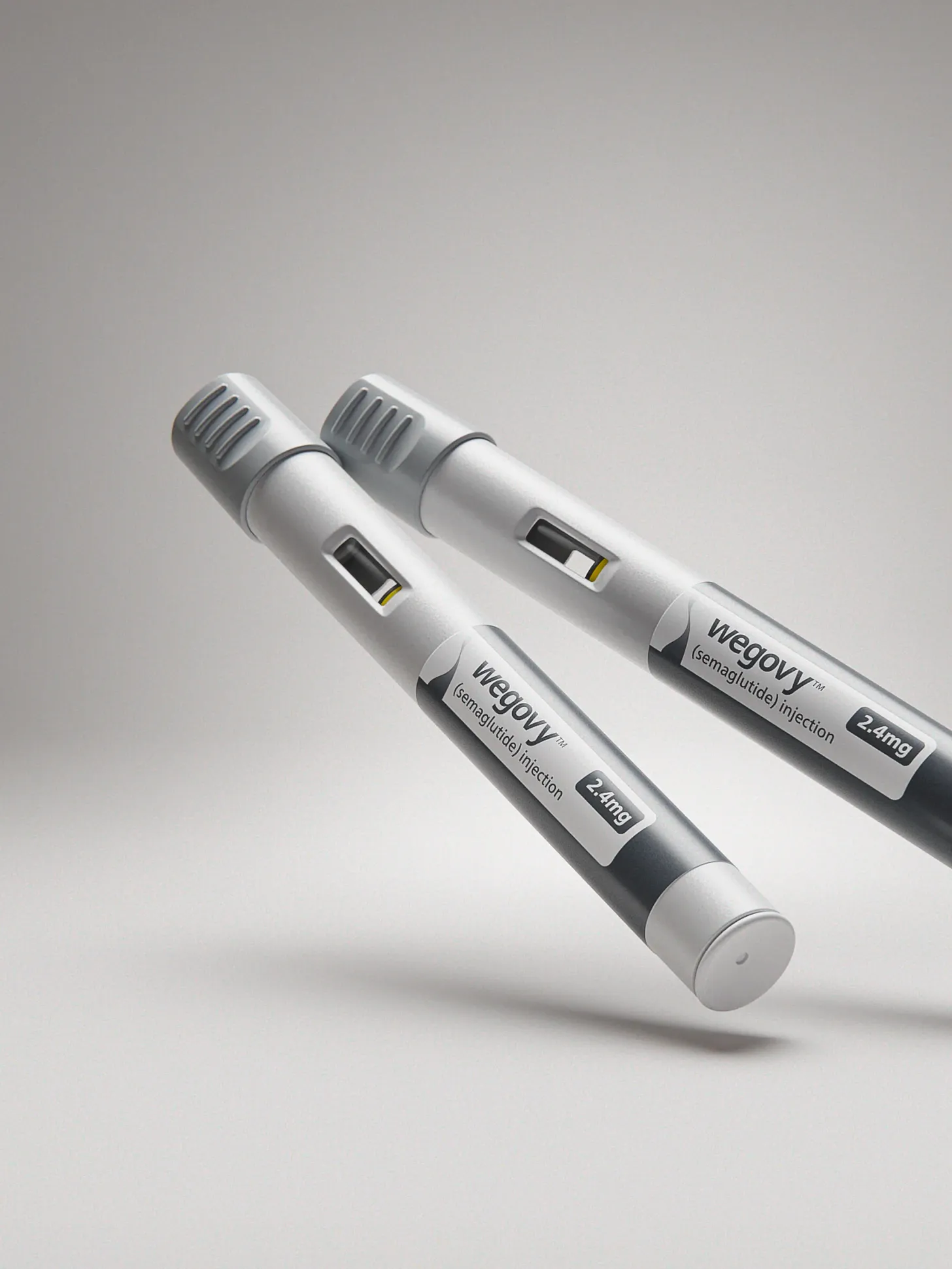
Semaglutide is marketed as: Ozempic (approved for diabetes) and Wegovy (approved for weight loss)
I will be doing a complete post on the GLP-1 agonists separately.

Trial Summary
In November, 2023, the SELECT Trial was published in The New England Journal of Medicine.
In a large, international clinical trial, people with obesity or overweight but not diabetes taking semaglutide for more than 3 years had a 20% lower risk of heart attack, stroke or death due to cardiovascular disease and lost an average of 9.4% of their body weight.
The results of the SELECT trial are the first time that any medication or lifestyle therapy has been proven to reduce cardiovascular events in adults with overweight or obesity who did not have Type 1 or Type 2 diabetes.
While prior research has confirmed the benefits of semaglutide in managing blood sugar, decreasing cardiovascular disease events and reducing weight in people with Type 2 diabetes, this study specifically investigated the potential impact of semaglutide on cardiovascular disease in people with overweight or obesity and cardiovascular disease who did not have either Type 1 or Type 2 diabetes.
Lead Author Says:
“This news is very encouraging for people with overweight or obesity because no treatment specifically directed at the management of obesity and overweight in people without Type 1 or Type 2 diabetes has been tested in a randomized trial and been shown to influence cardiovascular outcomes,” said lead study author A. Michael Lincoff, M.D., vice chairman for research of the Robert and Suzanne Tomsich Department of Cardiovascular Medicine and an interventional cardiologist in the Sydell and Arnold Miller Family Heart, Vascular & Thoracic Institute at the Cleveland Clinic.
“Our findings expand the opportunity to treat patients who have overweight or obesity and existing heart disease without Type 1 or Type 2 diabetes, and we have a chance to significantly reduce their risk of a secondary cardiovascular event including death.”
“And from a scientific standpoint, these data show that we now have a new pathway or a new modifiable risk factor for cardiovascular disease that we can use in our patients who have overweight or obesity,” he added.
Medication Dosing
Study participants were randomly assigned to take either 2.4 milligrams of semaglutide (the FDA-approved semaglutide dose for weight management) or a placebo once a week, which is higher than the FDA-approved semaglutide dose limit for Type 2 diabetes of 2.0 mg/week.
Each person in the study used a “pen” to inject the medicine or placebo into a skin fold in their stomach, thigh or upper arm each week on the same day, and the dose started at 0.24 mg and gradually increased every four weeks up to 2.4 mg, and mean follow-up for all participants was 40 months.
Side Effects
The number of serious adverse events was lower in the semaglutide group. Previous studies of medications of the GLP-1 receptor agonist class have shown an association with gallbladder disorders, and in SELECT, there was a slightly higher rate of gallbladder disorders in the semaglutide vs. placebo group (2.8% vs. 2.3%, respectively).
Semaglutide was stopped more frequently than placebo for gastrointestinal intolerance, a known side effect of this class of medications; however, there was no higher rate of serious gastrointestinal events.
The researchers noted that this medication did not lead to an increased rate of pancreatitis, which has been a concern with prior medications of this type.
Conclusions
This trial changes everything.
For the first time a medication has been proved to reduce cardiovascular events in adults who are overweight but not diabetics.
We are now on the doorstep of a treatment revolution that can alter our current treachourous obesity epidemic and its deadly consequences.
Ask your doc if these meds might be right for you.